The surroundings

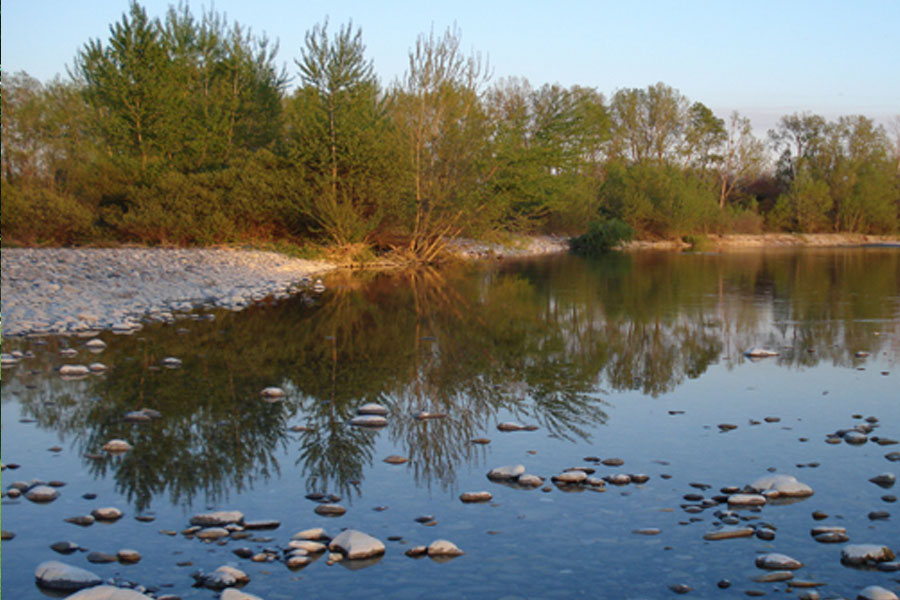
River Trebbia County Natural Park

A river park that preserves the last natural environments in plain and uphill areas which correspond to important green habitats home to species of communitary interest. 

The protected area of about 4000 hectares stretches over the low part of the river Trebbia, from its piedmont portion in the Rivergaro territory to its confluence into the river Po partially enclosing the conoid and the plain area. The river Trebbia is one of the main tributaries of the river Po and preserves its naturalistic features as well as its water high quality, from the spring to the mouth.

The naturalistic and landscape value of the main valley and smaller tributary valleys lies in the environmental and geomorphologic heterogeneousness. The plain maintains its branching characteristic with wide flood bed areas and remarkable alluvia, the intermediate river-bed consists of more erodible lithologies and expands into a wide conoid in its final trait. The wide net of cobble alluvia grooved by nearly invisible intertwined channels has got a notable naturalistic value for its flora and fauna as well as a significant environmental value for the underground aquifer refill.
Regione Emilia Romagna Official Site - Tourism

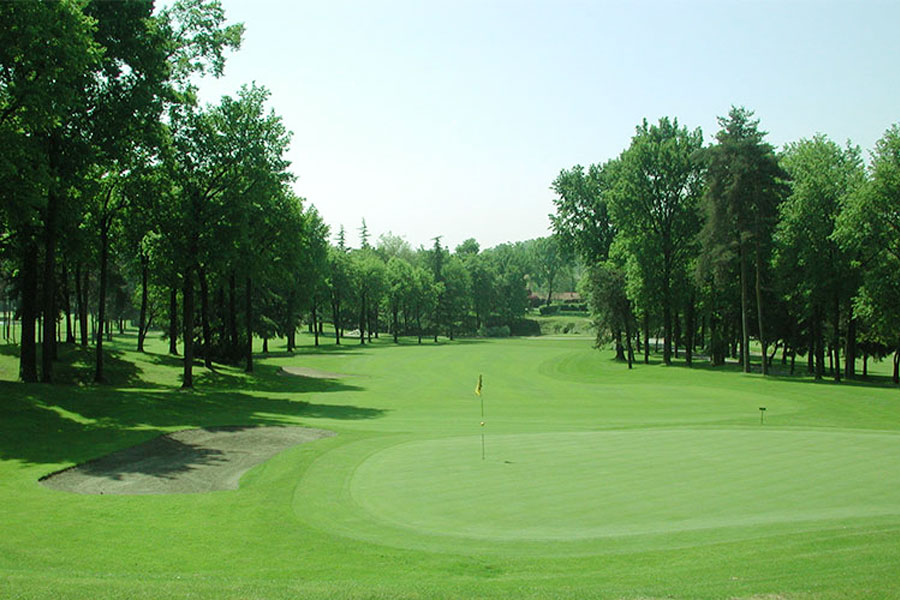
Croara country club

The golf pitch was funded in 1976 with 9 holes based on Mr. Burlatti’s project. Only afterwards it will be completed by Architect Croze to turn into the current pitch of 18 holes.

First Italian location of the Female Open in 1990,  the Croara Country Club is bordered by the river Trebbia on one side, after which the valley is named and, on the other side,  by a huge old wood of oaks, presenting views of rare beauty : Rivalta Castle and its sight onto the valley are its main evidence.

Castel Mantova

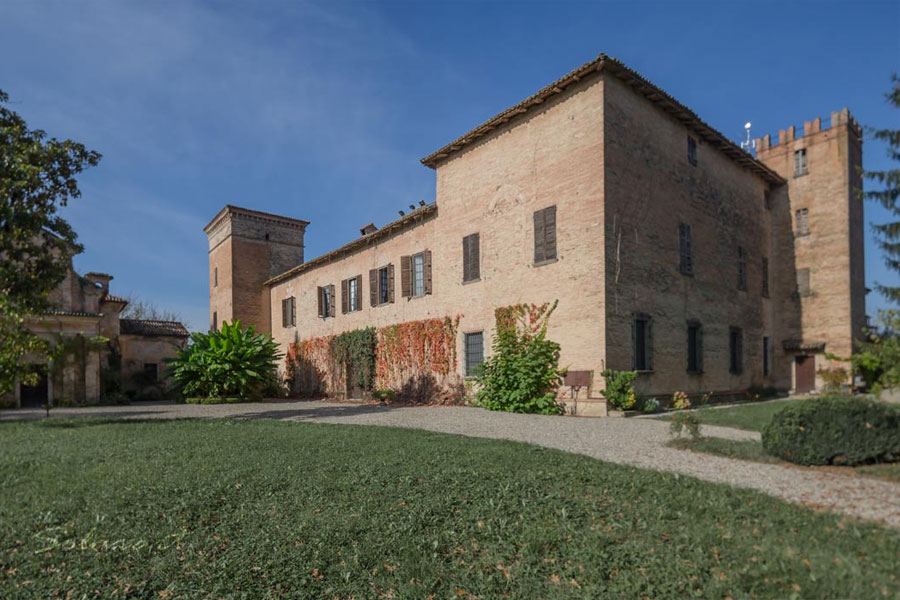
Castel Mantova was built at the beginning of the 15th century by Francesco Borla upon concession of the Duke of Milan, “patient” treated by the concessionary who was a physician. No evident signs of a previous building appear on the castle structure even if some events of the 13th century, also reported by the medieval chronicles, lead us to think that there must have been a previous fortress in Campremoldo di Sotto.

The castle was destroyed during warlike events occurred in 1636. Few decades later, acquired by the Earl family Civardi, it was rebuilt as we can admire it today. The nobleman Carlo Besini, originally from Mantua, who came into possession of it around the middle of the 19th century, called it Castel Mantova in honour of his city.

Castel Mantova  is a permanent summer location for musical events promoted by the Val Tidone Festival Foundation.

Visit the website for more info

Travo Archeologic Park

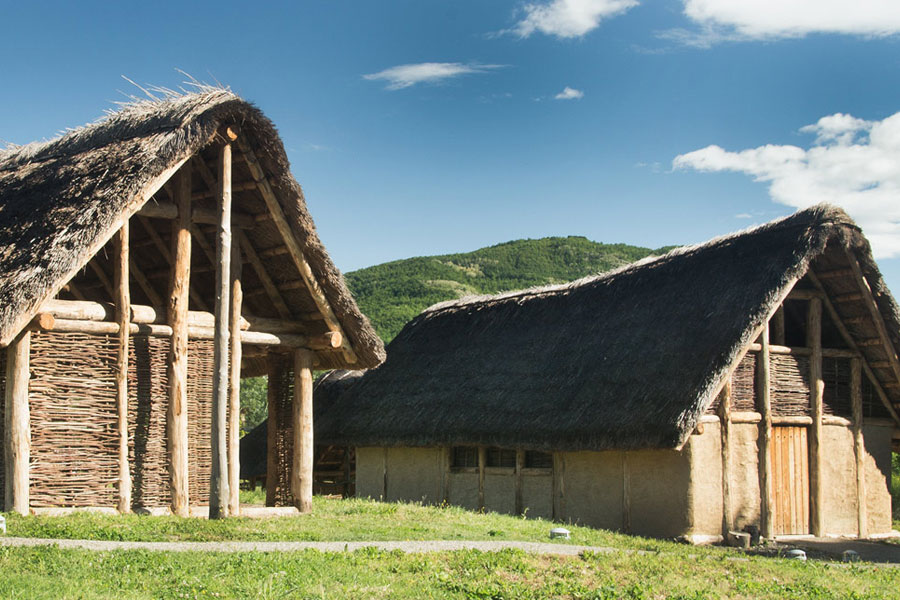
The main feature of the Archeologic Park is the visible preservation of part of the pre-historic structures  which have been brought to light over the excavation campaigns in the area since 1995 till today. The Neolithic village of Saint Andrew presents in fact a close net of functional well-kept houses part of which have been kept visible. Since 2010 the reconstructions of some real-scale Neolithic buildings have been made visible too, provided with material and objects like the ones that have been found in situ.

The area is accessible to people with limited mobility and it is provided with a tactile route and panels written in Braille for people with limited eyesight. A new WIFI spot is active with multimedia devices and audio-guides in several languages.

The Archeologic Museum with its main offices in Travo Castle was inaugurated in 1997 to illustrate the history of the ancient settlement in our area: 175 archeologic sites, 64 of which pre-historic or proto-historic, 90 from the roman times and 21 medieval or modern. The materials coming from these sites find their place in the halls of the Museum in a display ranging from the Palaeolithic up to the Roman times.   The Archeologic Museum is also open in wintertime.


Visit the official website

Agazzano Castle

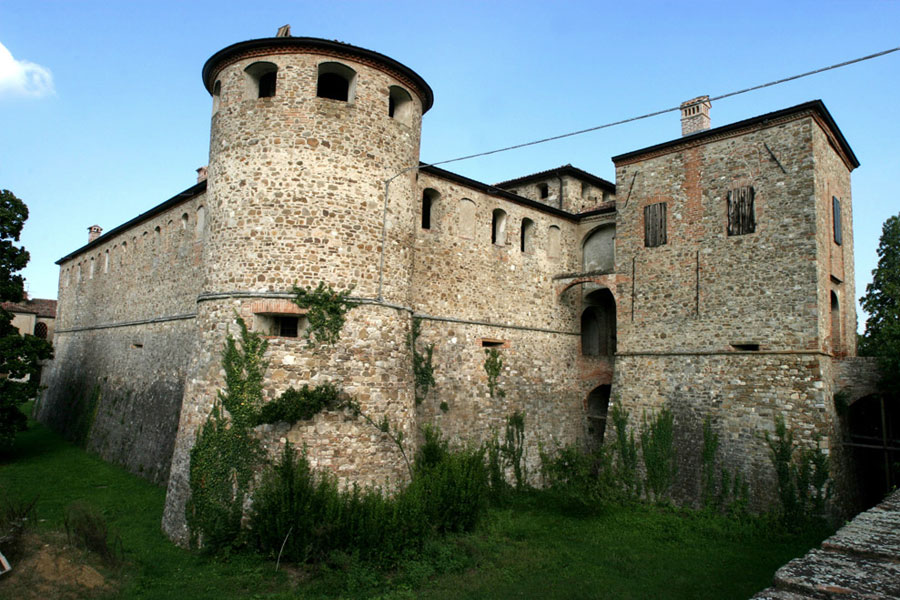
The Castle estate of Agazzano consists of two structures and a wide terraced garden-park overlooking the Luretta valley. The Fortress represents a happy synthesis between the medieval defensive architecture and the class of a noble renaissance manor. The Castle, summer residence of the family at the end of the 18th century, is furnished with antique pieces among which we can admire splendid frescoes and precious furnishings.

Visit the official website for more info

Contacts

Località Caratta Maruffi 55,
29020 Gossolengo (PC),
Tel. 0523 779505  
cell. 329 5717171
info@lungacque.it

Associazione Medici per l'Ambiente
Agriturismi Emilia Romagna
Parchi del ducato
Image

Follow us on